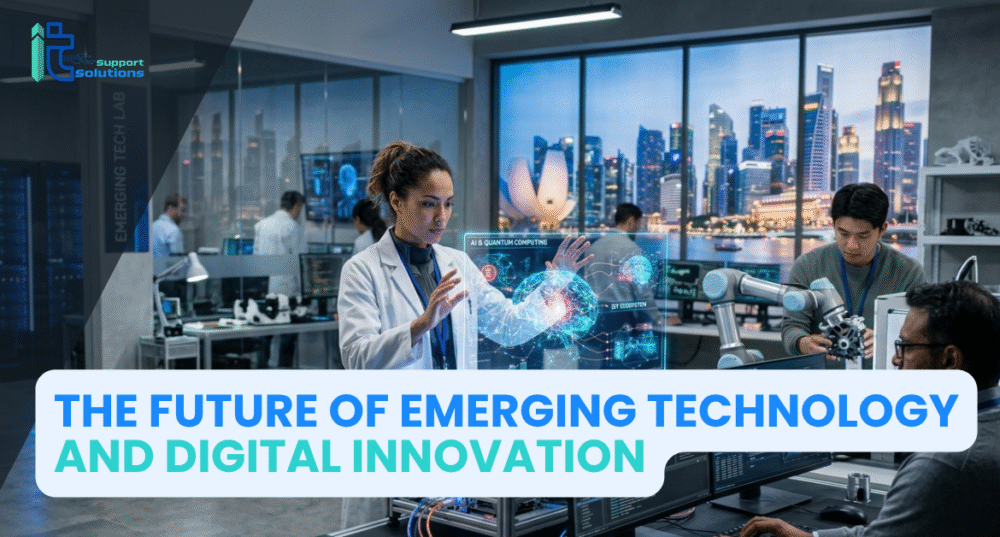
The Future of Emerging Technology and Digital Innovation
Emerging tools shape what comes next in tech. Through invention, progress moves forward and change arrives by unseen paths. Advancement follows new methods, while Innovation shifts how systems evolve. From discovery, transformation grows.
Nowadays, creations emerge not as isolated ideas but through continuous refinement, clever engineering, together with advances in digital tools. Within tech and commerce, different items reshape how humans live and perform tasks and also interact with machines. What defines this era is progress—driven by a focus on streamlining, self-operating solutions, along with thinking systems visible everywhere from intelligent gadgets to artificial minds.
Digital Transformation drives how modern organizations adapt, integrate, and evolve within fast-changing technological environments.
ITSS Digital Transformation Solutions
What drives today’s digital shift goes beyond surface-level changes. Underlying these patterns lies a foundation shaping how organizations operate now. Adaptation emerges not by chance but through integration of persistent tools. Growth follows where systems evolve alongside global movement. Stability within flux becomes possible when infrastructure supports change. Competitiveness rests on responsiveness – quietly, steadily built through digital transformation and technology’s steady pulse.

Examining how recent tools fit within online environments shows that over time, these devices reshape interaction patterns differently than before. Where older systems once dominated, new methods now appear more frequently. With change comes adjustment; usage shifts follow slowly at first. One result alters communication styles across distances. As needs evolve, so do applications built for them.
Smart Systems and Artificial Intelligence
Now arriving – new tools reshape how factories operate, enabling sharper links across operations. Not only speed but intelligence defines today’s setups, driven by digital shifts once unseen. Whether code, machines, or combined systems, each step forward supports efficiency through applied knowledge.
The inventions are motivated by:
- Advanced computing systems
- Artificial intelligence integration
- Smart automation technologies
- Cloud-based infrastructure
- Internet-connected devices
- Data-driven decision systems
Nowadays, conventional practices see less adoption by companies. Instead, choices and daily functions increasingly center on digital strategies where creativity plays an essential role.
Smart Machines and Thinking Tech
A shift has occurred where machines now shape innovation. Intelligence built into software operates within platforms handling information. Efficiency rises when routines run without human direction. Systems learn, adapt, then refine operations silently over time.
In current times, artificial intelligence influences daily life through various channels:
- Smart business automation
- Predictive analytics systems
- AI-powered customer support
- Systems for detecting and preventing fraud
- Information handling and analysis
- Intelligent decision-making frameworks
With each update, these systems grow more capable – cutting reliance on human effort while improving precision and response time. Today, artificial intelligence plays a central role in shaping products, securing digital spaces, and running enterprise tools.
Cloud Computing as a Digital Foundation
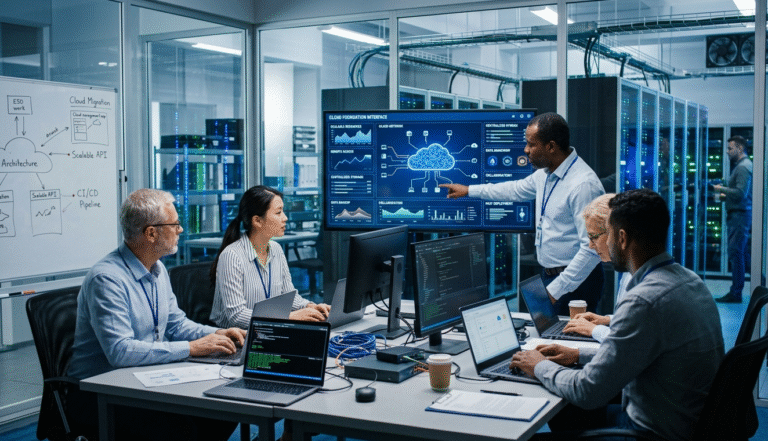
A foundation of digital infrastructure drives new methods. Cloud systems enable different approaches to progress.
Nowadays, cloud computing forms the foundation of most digital innovation. Through it, companies and programmers build flexible solutions without depending solely on hardware setups.
Cloud-driven innovation supports:
- Remote access to applications and data
- Centralized digital storage systems
- Scalable computing resources
- Faster software deployment
- Improved collaboration tools
- Backup and disaster recovery systems
With cloud technology, startups and large companies find innovation easier to reach. Minimal costs open doors once locked by hardware limits. Through remote systems, rapid launches become possible without heavy backing. Innovation shifts pace when access replaces ownership.
Smart Devices and the Internet of Things
Devices now connect differently because of what people call the Internet of Things. In fields such as production, medicine, shipping, or city planning, intelligent tools reshape daily operations. Communication between machines evolves through embedded sensing units.
IoT-based inventions include:
- Smart home systems
- Industrial automation devices
- Real-time tracking systems
- Smart surveillance technologies
- Energy optimization systems
- Predictive maintenance tools
With these advances, devices communicate instantly. Efficiency improves as systems adjust without delay. Precision rises when actions follow immediate data inputs.
Big Data and Intelligent Decision-Making
Now arriving on the scene, new tools bring floods of information – making sense of it requires careful analysis. Because systems track more activity, decisions rely increasingly on examined patterns instead of guesses.
Key advantages include:
- Real-time business insights
- Accurate forecasting models
- Customer behavior analysis
- Market trend identification
- Performance optimization
- Data-driven strategy development
From data comes clarity, when firms apply analytical methods to uncover patterns hidden beneath surface metrics. Insights emerge quietly, guiding direction without fanfare.
Blockchain and Digital Trust Systems
Blockchain technology is also quickly progressing beyond cryptocurrency. Security comes through agreement among many separate systems before any record can change.
Blockchain supports:
- Secure digital transactions
- Identity verification systems
- Smart contract automation
- Supply chain transparency
- Data integrity validation
- Secure document management
What stands out is how this advancement matters most where confidence, openness, and clear records matter above all else. In environments built on verified actions, blockchain becomes essential for secure digital ecosystems.
Edge Computing and Real-Time Processing
Closer to origin points, information gets managed without long delays. With computation happening nearby, response times tighten noticeably.
Edge computing has the following benefits:
- Faster data processing
- Reduced network latency
- Improved real-time performance
- Better bandwidth efficiency
- Enhanced system responsiveness
- Stronger operational control
Among emerging tools, one stands out when timing matters – especially in environments requiring instant decisions.
Automation and Operational Efficiency
Automation emerges as a key outcome of invention and design. Machines now handle repetitive tasks without constant oversight.
Automation is prevalent in:
- Workflow management systems
- Customer communication tools
- Inventory control systems
- IT operations
- Data processing platforms
- Administrative functions
Because machines take over routine work, mistakes happen less often. Focus shifts toward innovation and strategic planning.
Edge Computing in Execution Systems
Edge computing brings processing closer to where data begins, reducing delays and improving system responsiveness.
Some advantages of edge computing are:
- Faster processing speeds
- Reduced network delays
- Improved real-time performance
- Better real-time application support
- Enhanced system performance
- Optimized bandwidth usage
Cybersecurity in the Digital Age
Safety within technology now shapes how creations are built. Protection against unseen attacks has become central to system design.
Security technologies focus on:
- Threat detection and monitoring
- Network protection systems
- Data encryption methods
- Access control systems
- Compliance management
- Risk reduction strategies
Security within digital networks shapes how trust forms around new technology. Protection ensures systems remain reliable and resilient.
ITSS and Innovation Ecosystem
Together, innovation ecosystem aligns fully with ITSS. Their partnership reflects mutual direction, stability, and structured integration.
- Managed IT services
- Cybersecurity solutions
- Cloud infrastructure support
- IT infrastructure management
- Digital transformation services
Through these approaches, firms gain access to emerging tools without sacrificing reliability or speed.
Future of Digital Transformation and Innovation
Today, daily routines and commerce are shifting because of new creations rooted in inventive planning. Change arrives through tools capable of Digital Transformation, automation, connectivity, and intelligent processing.
With each breakthrough, familiar patterns reshape themselves steadily. Support from companies like ITSS enables businesses to adapt, strengthen systems, and build long-term digital stability.

