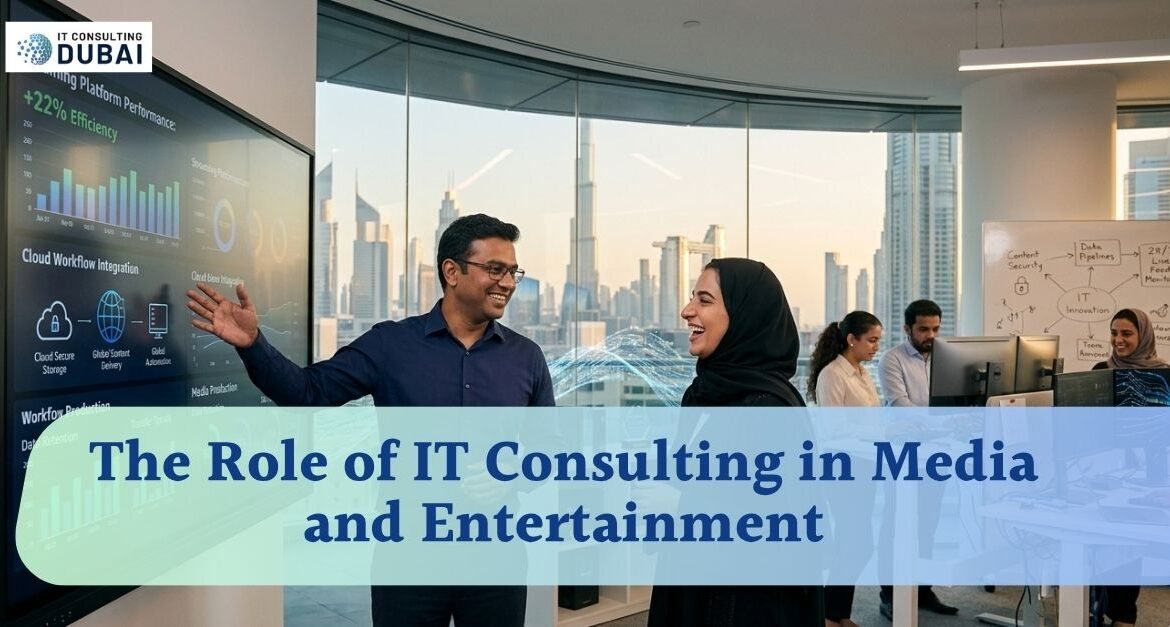
Now it’s streaming platforms, movies, games, and live feeds that set how people watch stuff online. As standards rise, firms lean into protected cloud spaces, strong connections, smart software, and IT solutions in Dubai – still wrestle tougher backstage demands. Speed helps everything run smoother, even if real progress hides in background tweaks instead of what users see. What works well usually comes from quiet fixes underneath, not flash up front. Stability emerges not solely from technology choice but how well components interact under pressure.
With shifts in how media operates, issues around data retention, transfer speed, teamwork coordination, protection measures, and instant delivery have grown more complex. Where operations rely heavily on digital files, organizations look for adaptable frameworks that sustain continuous workflow under heavy load. As reliance deepens on digital tools, the importance of expert guidance through IT Consulting Dubai rises within entertainment sectors.
The Move to Digital in How Entertainment Works
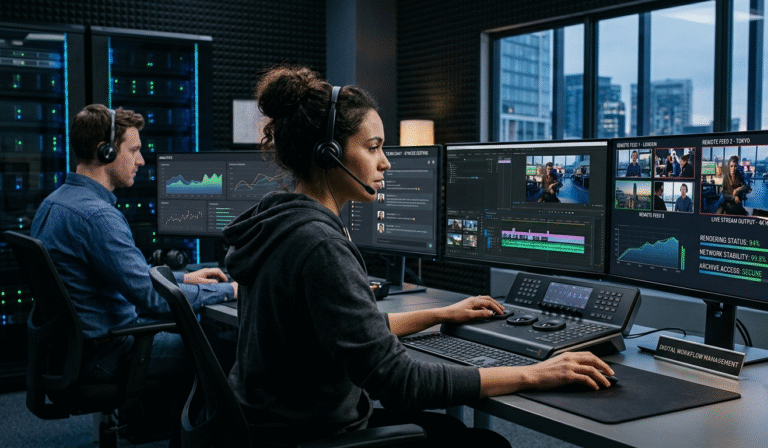
Back then, broadcast and production processes depended on hardware setups confined to single sites. Now, distributed groups operate together worldwide through web-based tools that enable off-site creation, shared access to media files, along with synchronized editing from separate regions.
Media organizations now manage:
- Large-scale video rendering
- High-definition streaming
- Real-time editing
- Remote broadcasting
- Content archiving
- Interactive audience platforms
- Multi-device delivery systems
Stability in infrastructure forms the base for such tasks, while network efficiency plays a key role. When technology falters, disruptions in output often follow. Consequences reach beyond timing – trust erodes, income drops. Secure data handling remains essential throughout. Performance hinges on consistency, not just capacity. Failures ripple outward, affecting perception and results equally.
Systems designed by IT consultants allow organizations to manage ongoing media use without sacrificing speed or reliability. While handling growth, these frameworks stay efficient under increasing demand. Through careful planning, consistent performance becomes achievable even during peak usage times. Support for continuous operations emerges naturally from well-structured setups. Stability remains intact as user numbers rise steadily over time.
Cloud Tech Changing How Content Is Delivered
Still reshaping how media gets made and shared, cloud systems allow smoother teamwork across distances. With remote access to files, creative staff like editors or producers work outside traditional offices more easily. Instead of fixed setups, digital tools adjust quickly to shifting needs. Marketing colleagues join workflows without waiting for local servers or hardware delivery.
Cloud integration offers several operational benefits:
- Faster file accessibility
- Simplified collaboration between departments
- Reduced infrastructure costs
- Improved disaster recovery
- Enhanced content scalability
- Flexible remote workflows
Especially, streaming platforms rely on cloud setups that grow easily when more people watch at once. When big shows launch or live moments happen, the technology behind stays steady for countless viewers at the same time. Downtime does not occur then, nor does interruption in playback, because capacity adjusts itself naturally. At peak times, performance holds firm under pressure from massive concurrent access.
Cybersecurity Challenges in Media Industries
Stored within media and entertainment firms are unreleased projects, financial records, audience insights, ad performance metrics, plus creative content. Cyber attackers focus on weak points in these production systems because such data holds high value.
Cybersecurity concerns now include:
- Content leaks
- Ransomware attacks
- Unauthorized access
- Streaming platform disruptions
- Data theft
- Piracy
- Insider threats
A single incident can trigger loss of trust, monetary impact, or disputes over agreements. For these reasons, protecting digital systems now shapes how media functions are managed.
Professional IT consulting teams assist businesses by implementing:
- Multi-layered security systems
- Endpoint protection
- Access management controls
- Data encryption
- Backup recovery solutions
- Security monitoring
- Compliance frameworks
Modern IT operations increasingly integrate proactive monitoring, cloud security, access control systems, and automated incident response to minimize downtime and strengthen digital protection.
AI and Automation in Everyday Tasks
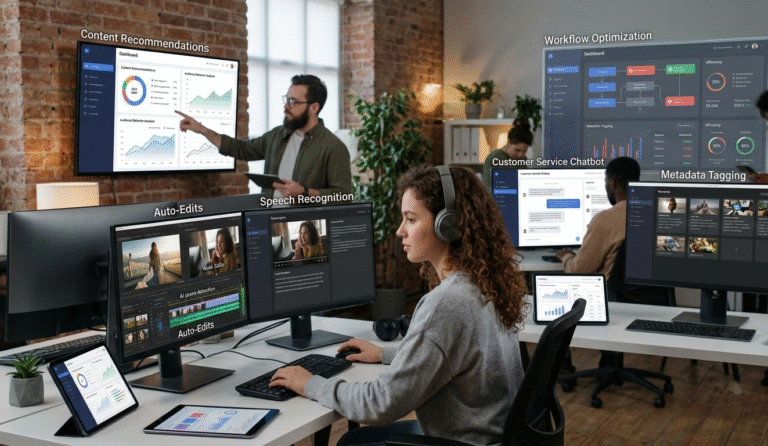
Despite common belief, artificial intelligence shapes how shows are made, how firms interact with audiences, influence what users see online, also aid behind-the-scenes workflows. Tools driven by AI today provide help in:
- Content recommendations
- Audience behavior analysis
- Automated editing
- Speech recognition
- Metadata tagging
- Customer service chatbots
- Workflow optimization
With automation, routine duties shrink in size yet performance grows throughout teams. When media companies use clever tech, changes in what audiences like get noticed faster, while managing projects flows more easily.
Out front, some groups point to AI showing up more often in how companies update themselves using data tools. Behind the scenes, digital shifts in today’s work worlds lean heavily on smart software reading patterns. From another angle, firms focused on tech note that number-crunching systems now shape major changes in many fields. Instead of old methods, machine learning helps guide upgrades happening fast across sectors. Not far off, real-time insights steer decisions where technology plays a central role.
Network Systems and Speed Improvements
Essential still stands: steady networks matter when moving big files through broadcast workflows. When connections lag or drop, disruptions follow – editing halts, streams break, teamwork stumbles. Though often overlooked, signal consistency shapes outcomes behind the scenes. Without it, timing slips, coordination fails, delays spread quietly across departments. One small glitch can ripple outward, nudging timelines off track. Success isn’t promised by steady conditions, but when things wobble, trouble often follows close behind.
Today’s layout designs for public works sometimes feature:
- High-speed networking
- Data center optimization
- Remote access solutions
- Load balancing
- Low-latency streaming environments
- Redundant backup systems
With demands growing steadily, companies find themselves needing consistent digital access through phones, TVs that connect online, game systems, followed by websites. Unbroken service now matters more because viewers expect reliability regardless of device used. Performance gaps show quickly when screens shift from one platform to another. What once worked only on desktops now needs smooth function elsewhere too. User patience declines if transitions feel slow or uneven across gadgets.
With careful analysis of existing systems, expert guidance shapes upgrade that match expanding operations. Where performance needs rise, adjustments follow through structured planning. As workflows evolve, support adapts without disrupting output levels.
Helping Creative Teams with Technology
Among those who work creatively, system reliability plays a central role in keeping tasks moving forward. When interruptions occur, editors, animators, designers, sound engineers, and developers find their workflow disrupted without steady application performance. From rendering demands to shared digital spaces, consistent operation becomes essential behind every completed project. Each task depends less on speed than it does on continuity across tools used daily.
When technology fails mid-production, release timelines often shift. As a result, expenses tend to rise unexpectedly. With proper guidance in information systems, such obstacles become easier to avoid. Creative professionals then remain undisturbed by technical noise. Their attention stays where it belongs – on crafting material.
Support services often include:
- Workstation optimization
- Storage management
- Rendering infrastructure
- Backup automation
- Software integration
- Remote collaboration tools
- Technical maintenance
When technology fits how teams create, work moves faster while using fewer resources. Efficiency grows because tools support the way people actually think and build.
The Future of Media Technology
Change moves forward in media and entertainment, shaped by immersive tools, cloud advances, personalized systems using artificial intelligence, along with stronger methods to protect data. People adjusting their routines to match new tools tend to keep pace with markets, as digital demands grow steadily. Not changing means falling behind – quietly, but surely.
Emerging trends include:
- Virtual production environments
- Augmented reality experiences
- Interactive streaming platforms
- AI-assisted production
- Edge computing
- Advanced analytics
- Personalized content delivery
Future readiness emerges when institutions align technology decisions with clear direction. Stability follows those who prepare infrastructure ahead of demand. Growth becomes possible once systems support evolving user needs. With expert IT Consulting Dubai services and dependable IT support solutions for media companies Dubai, businesses gain stronger infrastructure planning, reliable system performance, and long-term operational stability across fast-moving media environments.
When tech shapes how we play, steady advice keeps systems working well. Because screens rely on code, support must adapt without fail. Wherever signals flow – someone ensures they do not break. Innovation follows rules few see. Performance stays high when oversight is constant. Security hides in decisions made early. Scalability grows from choices behind the scenes. Modern stages need quiet guidance. Even silent parts shape what audiences feel.
